
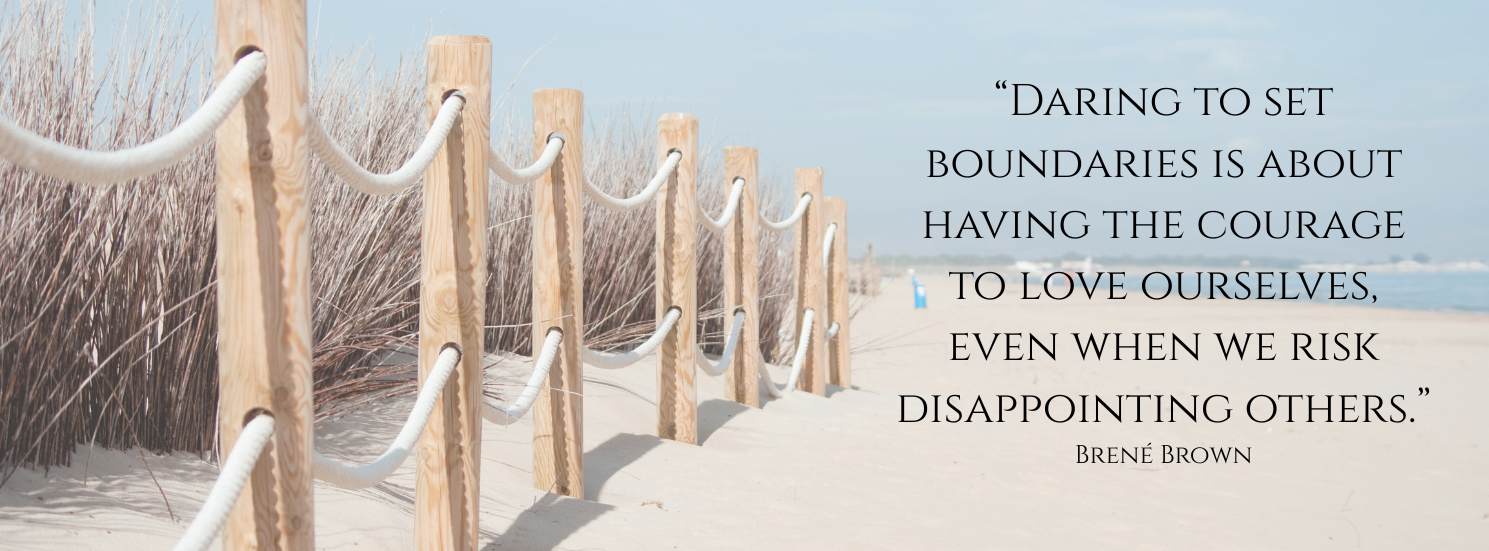
Have you ever agreed to something you didn’t really want to do? Maybe you were already overwhelmed or just mentally drained but you said “yes” anyway? It happens to a lot of us. Whether it’s helping a friend, taking on an extra task at work or just responding to a late-night text when you really need rest, it’s very easy to ignore your own limits. We’ve often heard that being helpful means always being available but that can take a toll.
Setting boundaries isn’t about pushing people away. It’s about protecting your time, energy and space. Still, it’s common to feel awkward and even guilty when we start putting those boundaries in place. You might worry that you’ll come across as selfish or unfriendly. But here’s the reality: honoring your needs doesn’t make you a bad person. It means you value yourself. And with time, setting boundaries becomes more natural and less uncomfortable.
So, What Exactly Are Boundaries?
Think of boundaries as the personal guidelines you create to feel safe, respected and emotionally balanced. They help define what you’re okay with and what crosses the line. That may look like not responding to texts after a certain hour, saying no to last-minute plans or taking a break just to catch up with yourself.
It’s like an invisible shield that protects you from burnouts and helps you stay grounded. Not just for you but those around you too. Clear boundaries also improve relationships because people understand where you stand. There’s less room for miscommunication or resentment when expectations are clear.
Why Guilt Shows Up
Many people feel guilty the first few times they try to set limits. If you’ve spent most of your life being agreeable or putting others first, stepping back can feel unfamiliar. Guilt creeps in because you’re doing something different, choosing yourself in a way you might not be used to.
But feeling guilty doesn’t mean you’re doing something wrong. It just means you’re adjusting to a new, healthier pattern. The more you practice, the less that guilt lingers. Over time, you’ll realize that choosing rest or saying “no” isn’t cruel, it’s necessary.
A Few Simple Ways to Start Setting Boundaries
1. Notice What’s Draining You
Start by paying attention to what leaves you feeling stressed, resentful or exhausted. Are there things you’re saying “yes” to that you wish you weren’t? Writing them down can help you see where your limits are being crossed and where they need to be reinforced.
2. Say “No” Without Overthinking It
You don’t need a long explanation. A simple “I’m not up for it today, can we catch up another time?” is enough. Be respectful but firm. Setting boundaries isn’t about being rude, it’s about being honest and you’re not responsible for how others react to that honesty.
3. Start Small and Be Patient with Yourself
It’s okay if this feels uncomfortable at first, most things do when they’re new. Begin with something manageable, like turning down plans when you’re tired or asking for a bit of space. Over time, small wins build your confidence and make setting boundaries feel more natural.
Final Thoughts
It’s completely normal to feel hesitant about setting boundaries, especially if you’ve spent years ignoring your own needs. But learning to say “no” , asking for space and protecting your time doesn’t make you selfish. It makes you self-aware.
When you put your well-being first, everything else begins to shift. You show up better, feel less resentment and have more energy for the things (and people) that really matter.
So don’t apologize for choosing yourself first. That’s not guilt-worthy, it’s growth.