
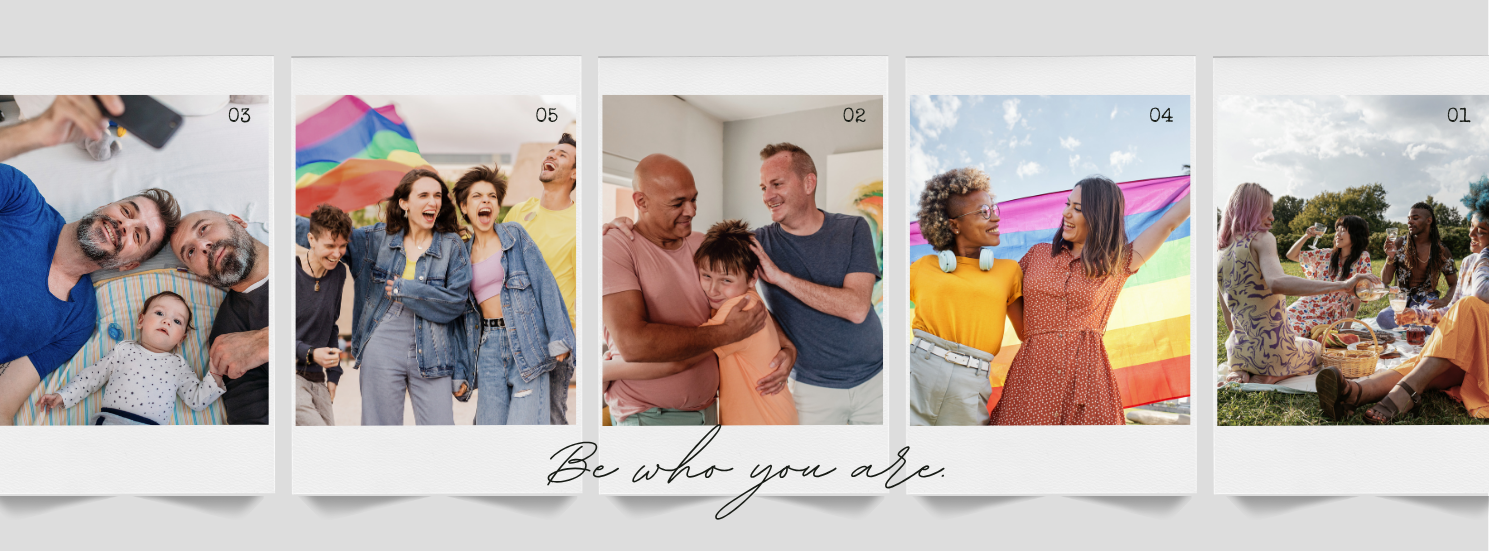
As pride month comes to a close, LGBTQ+ (lesbian, gay, bisexual, transgender, queer/questioning, and other sexual and gender minority) issues move further back in our minds for another year. Of course, this topic does not end with the month of June. With roughly 10% of people identifying as LGBTQ+, you likely have a family member, friend, or coworker in this group. This has become a hot button issue in politics and beyond, so you may find yourself struggling to navigate relationships with the LGBTQ+ individuals in your life.
Having supportive relationships can make all the difference for someone that may be struggling, no matter why or how. Unfortunately, LGBTQ+ individuals often face an uphill battle to experience kind and respectful treatment. Perhaps you wish you could be a support for someone, but are unsure how to navigate your relationship. Yet if someone has recently come out to you, it may feel like your relationship has completely shifted. So what can you do to strengthen your connection with your LGBTQ+ friend or loved one?
There is no one-size-fits-all answer to this question. Everyone’s experience, comfort level, and relationship dynamic is going to be as unique as they are. The most important thing is to be respectful – a good rule for life in general! Here are some general guidelines that may help you navigate your LGBTQ+ relationship:
Give yourself time.
If someone has chosen to tell you that they are LGBTQ+, they have likely spent months, years, or even decades considering their identity. They may have struggled to come to terms with it themselves. It is completely reasonable for you to have an adjustment period, too. Be patient with yourself and allow for time to process the change, learn more about the topic, and adjust to the new information. Life is full of curveballs, the good and the bad. Even positive changes require a period of adjustment. It’s perfectly reasonable to say to someone, “this is quite a shift for me, I hope you can be patient while I sort out my thoughts on this new information.” Your communication, insight, and authenticity will be appreciated.
Practice introspection.
Depending on your background and life experiences, you may have assumptions and stereotypes about LGBTQ+ individuals. This is completely normal! Human beings develop and learn by experiencing the world around us, for better or for worse. Unfortunately, this sometimes means that we make assumptions about our LGBTQ+ friends that are not true and potentially even harmful. The good news is, we are capable of rewiring our brains and overcoming our preconceptions. If a loved one has come out to you, remember that they are still the same person they always were. Identity is more than just your job, background, preferences, or sexual orientation; we are all a beautiful and unique mosaic of traits! It can be very powerful to imagine poor treatment based on something about yourself that you cannot control, and use that to consider an LGBTQ+ individual’s perspective.
Be curious.
In order to challenge stereotypes and be open-minded to the experiences of others, it makes the world of difference to educate yourself. There are many books, websites, podcasts, and blogs on LGBTQ+ experiences that can aid understanding and empathy. The LGBTQ+ person in your life may also be a willing source of information, whether about their personal experience or about the topic in general. Even if you know one person’s story, be mindful that it will not necessarily reflect every LGBTQ+ person’s experience. We all have unique and personal journeys through life!
Ask appropriate questions.
While curiosity is a powerful tool, there are limits to what is respectful or appropriate. A good rule of thumb is to consider, “would I be okay answering this question if our roles were reversed?” For example, you may be comfortable discussing your intimate life with a close friend, but not your coworker or grandfather! It’s reasonable for your LGBTQ+ friend or family member to have boundaries on what they are comfortable discussing. On the flip side, it is also reasonable for you to set healthy boundaries on your comfort level. We all have our own idea of what jokes and questions are appropriate, so be mindful of others’ comfort levels and communicate your own.
In any relationship between friends and loved ones, the bonds we have with others will go through good times and bad. It may be a challenge for you when someone comes out as LGBTQ+, but the relationships we experience are built on more than any one part of our identities. Mindfully maintain an attitude of patience, curiosity, and respect for each other. In doing this, you just may find that you can grow closer than ever to the LGBTQ+ individuals in your life.